Yeast Photo Festival
Pablo Piovano - The Human Cost
Pablo Ernesto Piovano - The Human Cost
In mostra per la prima volta l'intero corpus fotografico (una parte di esso era stato presentato al Festival della Fotografía Etica)
VERSIONE IN ITALIANO
Testo di Guillermo Saccomanno
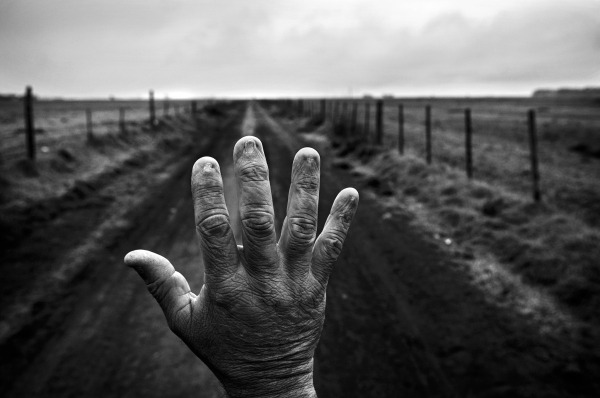
In tre anni, Piovano ha esplorato il Nord, il Centro e le coste dell’Argentina, per un totale di 15mila km. Il risultato della sua ricerca è spaventoso, provoca rabbia e desolazione. Le devastazioni arrecate dall’uso di prodotti agrochimici possono essere definite, infatti, uno sterminio. I dettagli di questo eccidio si delineano con intimità nei ritratti dei danneggiati, attraverso la fotocamera di Piovano che li mette a fuoco con rispetto e commovente sincerità. Il tono che sceglie, in solidarietà con chi è stato colpito dal massacro, è basso e furtivo, chiede il permesso per non invadere il dolore delle vittime.
La visione di queste fotografie dovrebbe portare il problema all’attuazione di una politica statale che affronti le conseguenze dell’uso degli agrochimici e punisca i responsabili di un simile genocidio.
C’è un’estetica rigorosa nelle sue immagini: l’elaborazione di ogni scena ha la forza dell’arte quando è dalla parte delle vittime. Grazie a ciò, il suo lavoro si può definire un atto di resistenza.
Pablo Ernesto Piovano - The Human Cost
"The human cost" was exhibited in Italy before at the Festival della Fotografía Etica 2015 o 2016 when the body of work was not finished yet.
Which means, that we show the first time in Italy the completed body of work.
ENGLISH VERSION
By Guillermo Saccomanno
During three years, Piovano explored the North, the Center and the shores of Argentina, altogether 15,000 kilometers. The result of his research is scary, causing rage and desolation. The ravages of agrichemical use can be defined, in fact, as an extermination. The detailed extermination unfolds with an intimacy, in the portraits of those damaged, through the camera, Piovano focuses with absolute respect and moving sincerity. The tone he chooses, in solidarity with those affected by the massacre, is low and stealthy, asking permission not to invade the victims’ pain. The vision of these photos should at least lead towards implementing a state policy of addressing the consequences of agrichemical use and punishing those responsible for such a genocide.
There is a rigorous aesthetic in his photos. The elaboration of each image aiming to spontaneity, has the force of art when on the side of the victims. Through this, a resistance can be defined.
Uploaded on 26/07/2024
 Yeast Photo Festival 2024