SacredSites
Fundraising campaign for SacredSites
HELP TO FUND THE SacredSites MOBILE APP
https://www.gofundme.com/u85qe9fk
SacredSites is a mobile app aimed at empowering indigenous communities to map their land and simultaneously record their culture. Our pilot community is the Kumiai people of La Huerta in Northern Baja California, Mexico. This pilot project will serve as a model to be replicated in other communities in Mexico, and around the globe. We are looking to raise a total of $30,000 in order to fund the construction of our first app prototype on both iOS and android. This first fundraiser is to raise enough money to start building the app by early 2016.
SacredSites is a mobile app aimed at empowering indigenous communities to map their land and simultaneously record their culture. Our pilot community is the Kumiai people of La Huerta in Northern Baja California, Mexico. This pilot project will serve as a model to be replicated in other communities in Mexico, and around the globe. We are looking to raise a total of $30,000 in order to fund the construction of our first app prototype on both iOS and android. This first fundraiser is to raise enough money to start building the app by early 2016.
Background
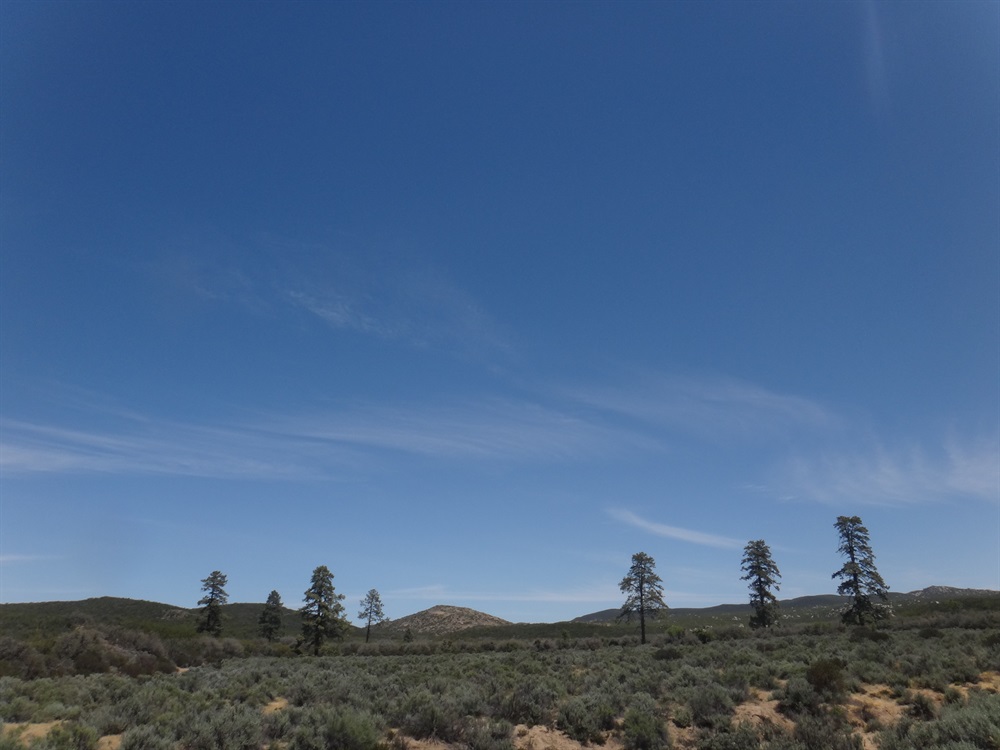
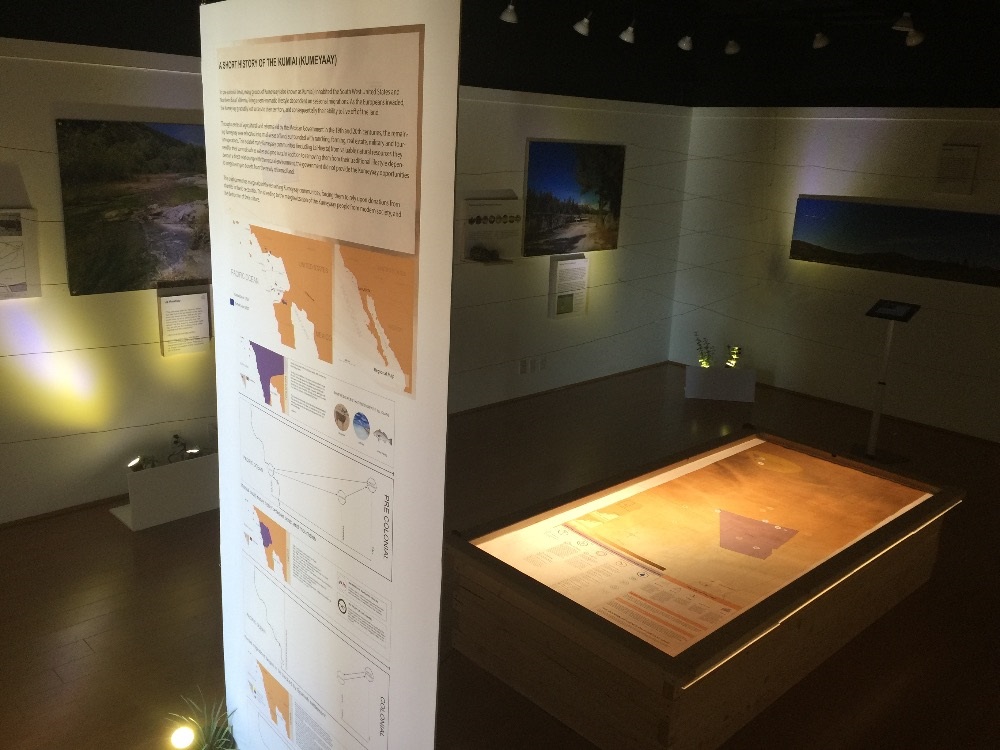
In pre-colonial times, many groups of Kumiai (also known as Kumeyaay) inhabited the South West United States and Northern Baja California, living a semi-nomadic lifestyle dependent on seasonal migrations. As the Europeans invaded, the Kumiai gradually lost access to their territory, and consequentially their ability to live off of the land.
Through a series of agricultural land reforms led by the Mexican Government in the 19th and 20th centuries, the remaining Kumiai were relocated into small areas of land, surrounded with ranching, farming, real estate, military and tourism operations. This isolated many Kumiai communities (including La Huerta) from valuable natural resources they need for their survival such as water and pine nuts. In addition to removing them from their traditional lifestyle dependent on a direct relationship with the natural environment, the government did not provide the Kumiai opportunities to integrate or gain benefit from the newly reformed land.
This predicament has marginalized the remaining Kumiai communities, forcing them to rely upon donations from charities for basic necessities. This is leading to the marginalization of the Kumiai people from modern society, and the destruction of their culture.
The mobile app SacredSites will act as a tool for the Kumiai to allow them to record their disappearing language and culture so that it can be preserved for future generations, while also making a claim to land which they believe is rightfully theirs.
"The time I spent in La Huerta, - said Niccolò Piacentini - No the people I met and the experiences I had, touched the bottom of my heart. The kindness and warmth I felt from the community drove me to help them find a permanent solution to their situation. I could not be happy meerly providing them with the necessities they currently lack and perpetuating an unsustainable cycle of aid. I pushed my thesis beyond the classroom and collaborated with the community to develop the idea of SacredSites. My wish is not to help them, they have far more things to teach me than I do to teach them, my wish is to help the community of La Huerta get the tools they need in order to help themselves. The accumulated knowledge indigenous communities posess can teach the whole world priceless lessons, it would be a tragedy to lose any of it."
Intended Use
The Kumiai interpret their environment based on it having many sacred sites. A sacred site is a specific location within their native territory important for their survival and cultural traditions. A sacred site could for example be a freshwater spring, or it could be a location important for the growth and collection of a staple food source, or it could be a site important for ceremonial activities. The premise of this view of the land is that there are specific areas within an ecosystem that are essential for the survival of people. In Kumiai tradition, these sites were shared amongst all the different clans; there was an understanding amongst them that allowed for the sustainable harvest of resources, and prohibited permanent settlement on the areas in which they were found.
Today, modern use of the land (agriculture, livestock ranching etc..) is abusing many of these resources and perpetuating an unsustainable lifestyle. Contemporarily, most of the indigenous knowledge on how to inhabit this environment sustainably is being lost with the death of the oldest generation. SacredSites is a tool that facilitates the recording of this information in order to preserve Kumiai culture.
The app will capture this information primarily through video and audio recordings. The combined media recording capabilities of smart phones (GPS mapping, video, photography, audio recording, text) are powerful and intuitive enough to give users the ability to easily and accurately map their territory as well as record parts of their culture that only exists as oral knowledge engraved in the memories of the elders of the community.
The users of SacredSites can interview the elders directly by using the digital mediums found on a smartphone–beginning the process of recording their oral tradition. The narrative of the elders is likely to be structured as so to describe a specific sacred site, the activities that were done there, how it used to look, its importance etc… The user can then supplement this information by physically visiting the site, taking videos and photographs of it as it is today, as well as mapping its geographical location with GPS. This step will supplement the oral description of a site given by an elder of the community, and it will also show how the site has been affected after years of modern activity. This technology allows the culture and language of the Kumiai to be recorded, while simultaneously showing how the current abused state of these sacred sites is evidence for the violation of their rights as indigenous people.
All of this information will then be stored on the cloud– it will be organized to show the contrast between how the target community (La Huerta) used to live, and how they are forced to live today. This database will be accessible to any specific audience the community wishes to share it with.
Summary of Goals
1. Empower the community of La Huerta to map land from their own perspective and gather evidence for any injustices committed against them
2. give the community of La Huerta the ability to record their culture
3. provide a channel for the community of La Huerta to publicize the information they record
Intended Use of Funds
App development (design) $1,111
App development (coding) $8,000
Pilot iphones and accessories $1,000
learning workshops for the community $1000
CEO: Niccolo Piacentini
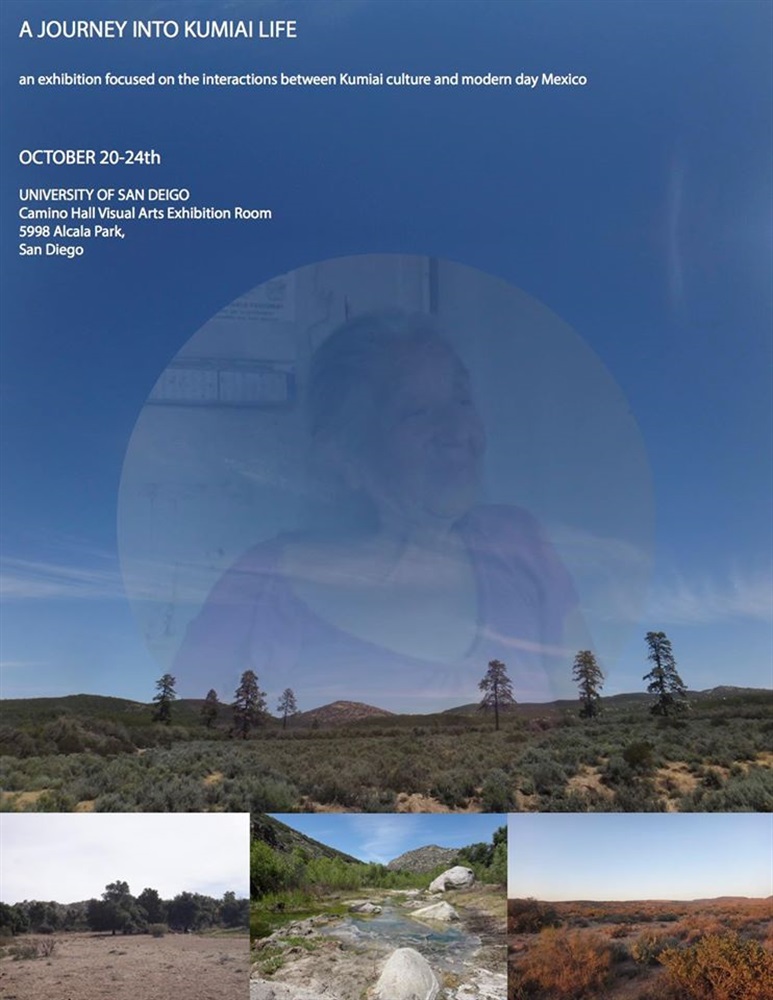
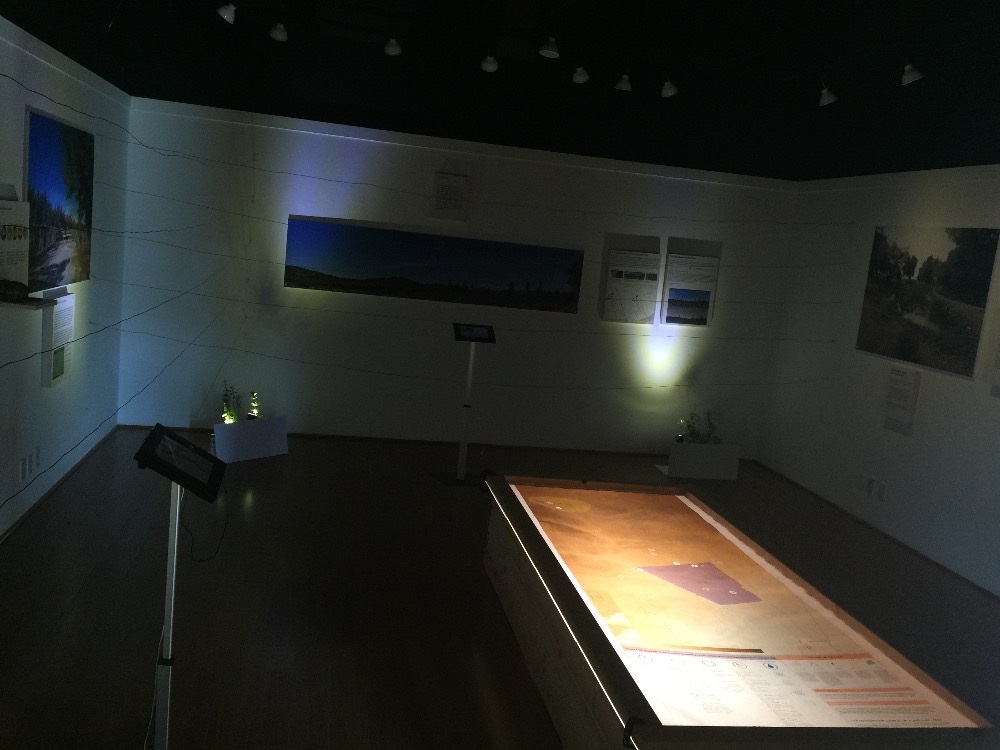
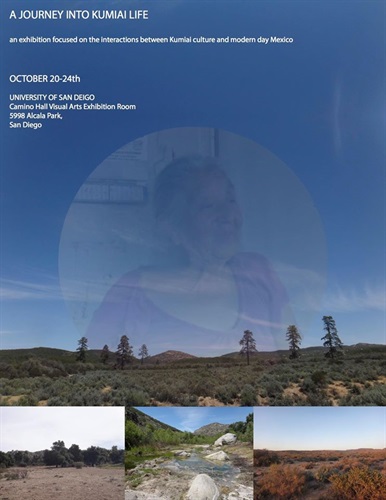
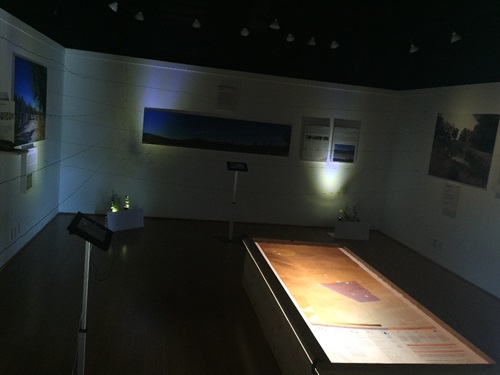
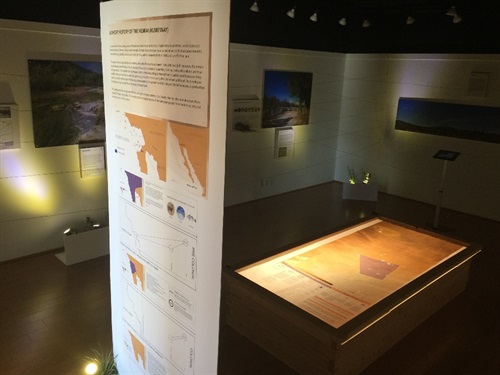
My name is Niccolo Piacentini and I graduated with a Bachelor's degree in architecture from the University of San Diego in May 2015. As part of my senior thesis I analyzed and spent time with a Kumiai community in Baja California. My thesis focused on mapping the land around their community of La Huerta and hypothesize a solution to their predicament.
Uploaded on 25/10/2015